The fitness club industry is changing fast. For years, many gyms have relied on a familiar business model: sell memberships, expect some members not to attend regularly, generate additional revenue through personal training, and compete mainly on price, location, or equipment. But that model is under increasing pressure.
Today, gym owners and operators need to think beyond membership sales. They need to understand what members actually value and how their **gym equipment, fitness facility design, services, and overall member experience** contribute to retention and long-term business growth. At the heart of this shift is the value proposition.
What Is a Fitness Club Value Proposition?
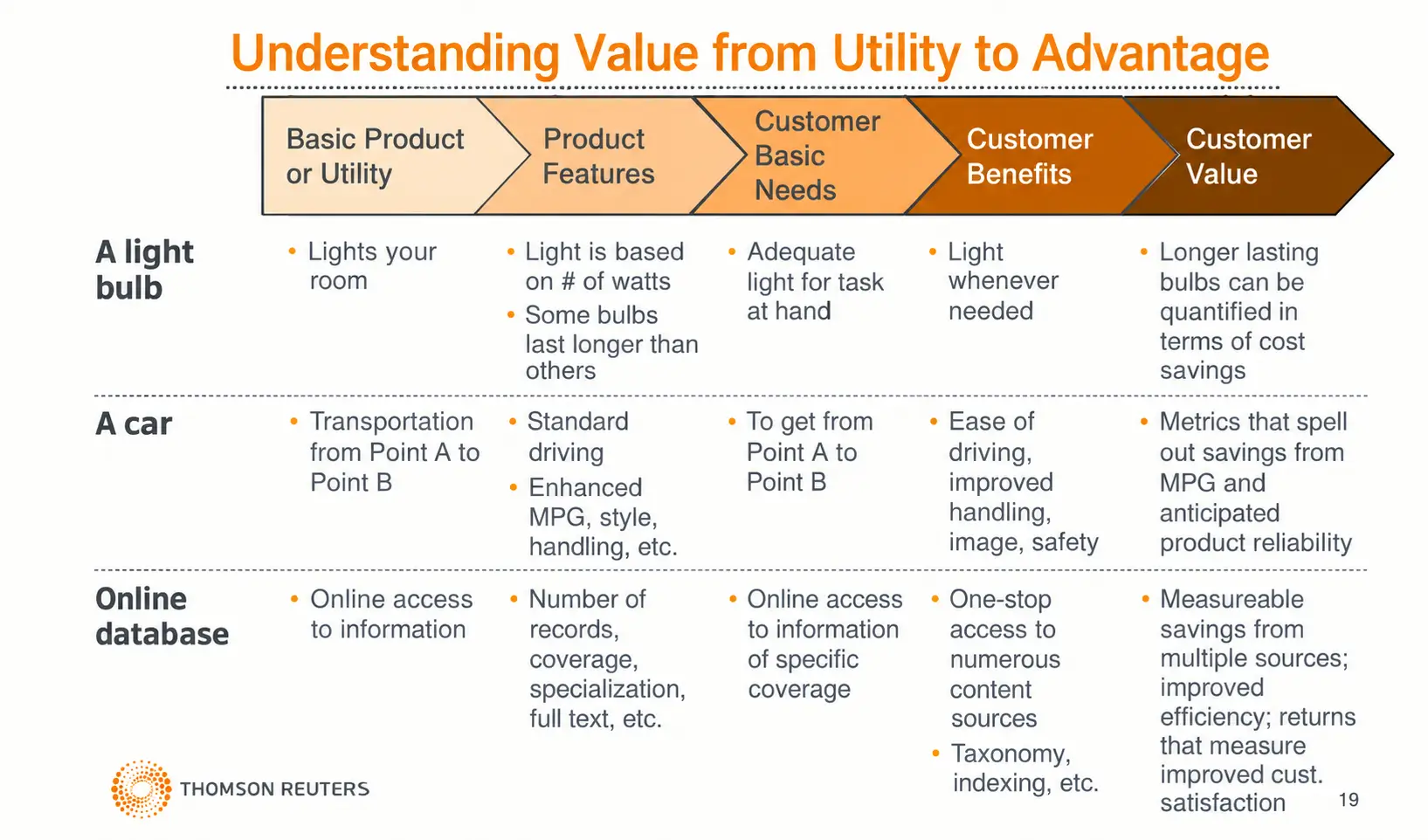
A value proposition is not simply a slogan or marketing line. It explains how a business solves a customer’s problem, what benefits the customer can expect, and why that customer should choose one provider over another.
For fitness clubs, this means moving beyond “a place to train” and asking a bigger question:
What success is the member really trying to achieve?
For some members, that may mean building strength. For others, it could mean improving mobility, losing weight, preparing for a sporting event, improving overall wellbeing, or simply having a convenient place to exercise.
This shift has important implications for gym operators, commercial fitness facilities, and gym equipment suppliers. The equipment, layout and services within a facility need to support the outcomes members are looking for.
Strength Training Is Reshaping the Modern Gym
One of the clearest trends is the growing importance of strength training.
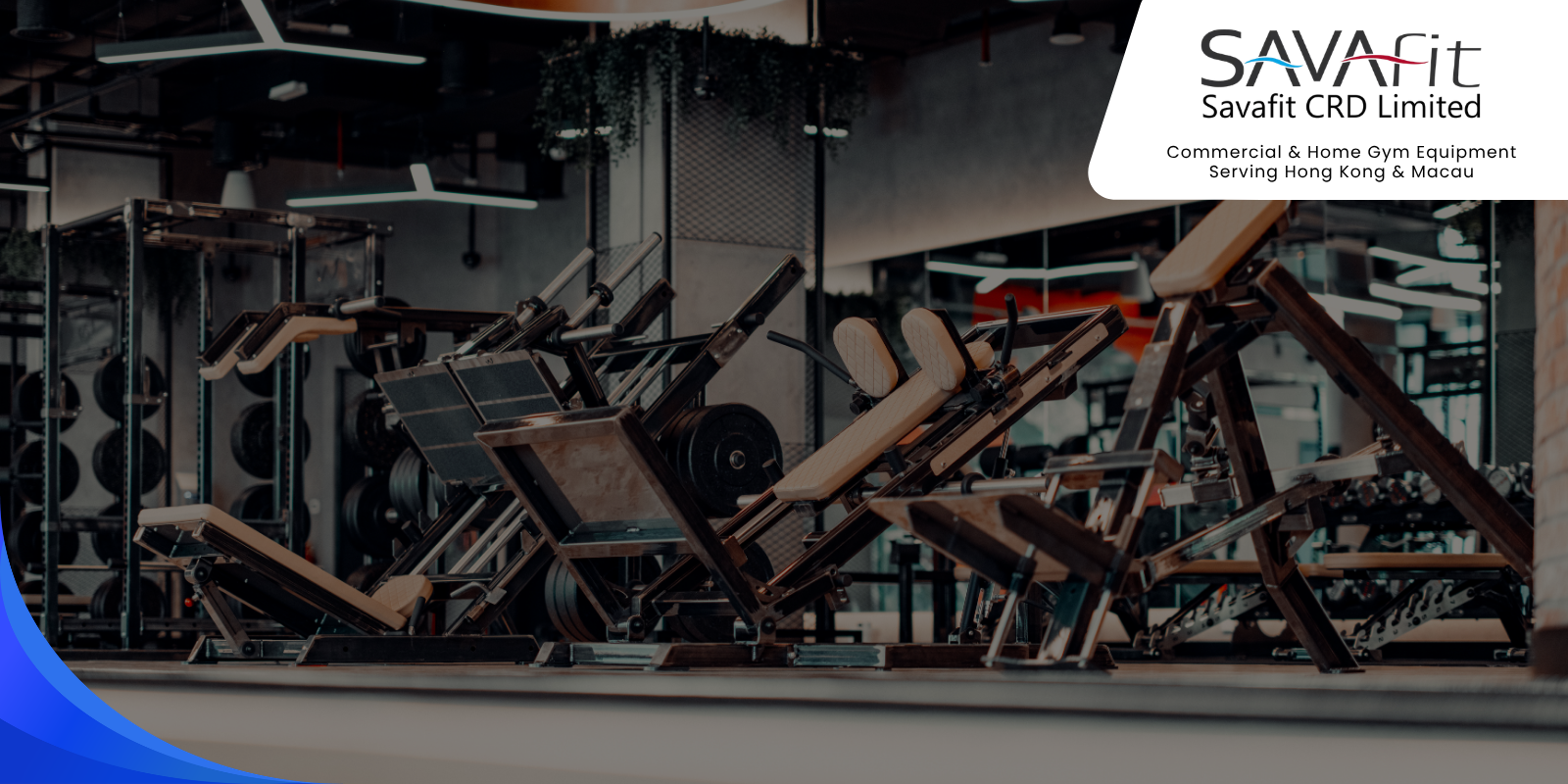
Gym floors are increasingly being redesigned around dedicated strength zones, including glute areas, power zones, functional training spaces, women’s training zones and hybrid areas. Members are also becoming more selective about the equipment they use. They want specific machines, better layouts, appropriate starting weights and equipment that feels intuitive and effective.
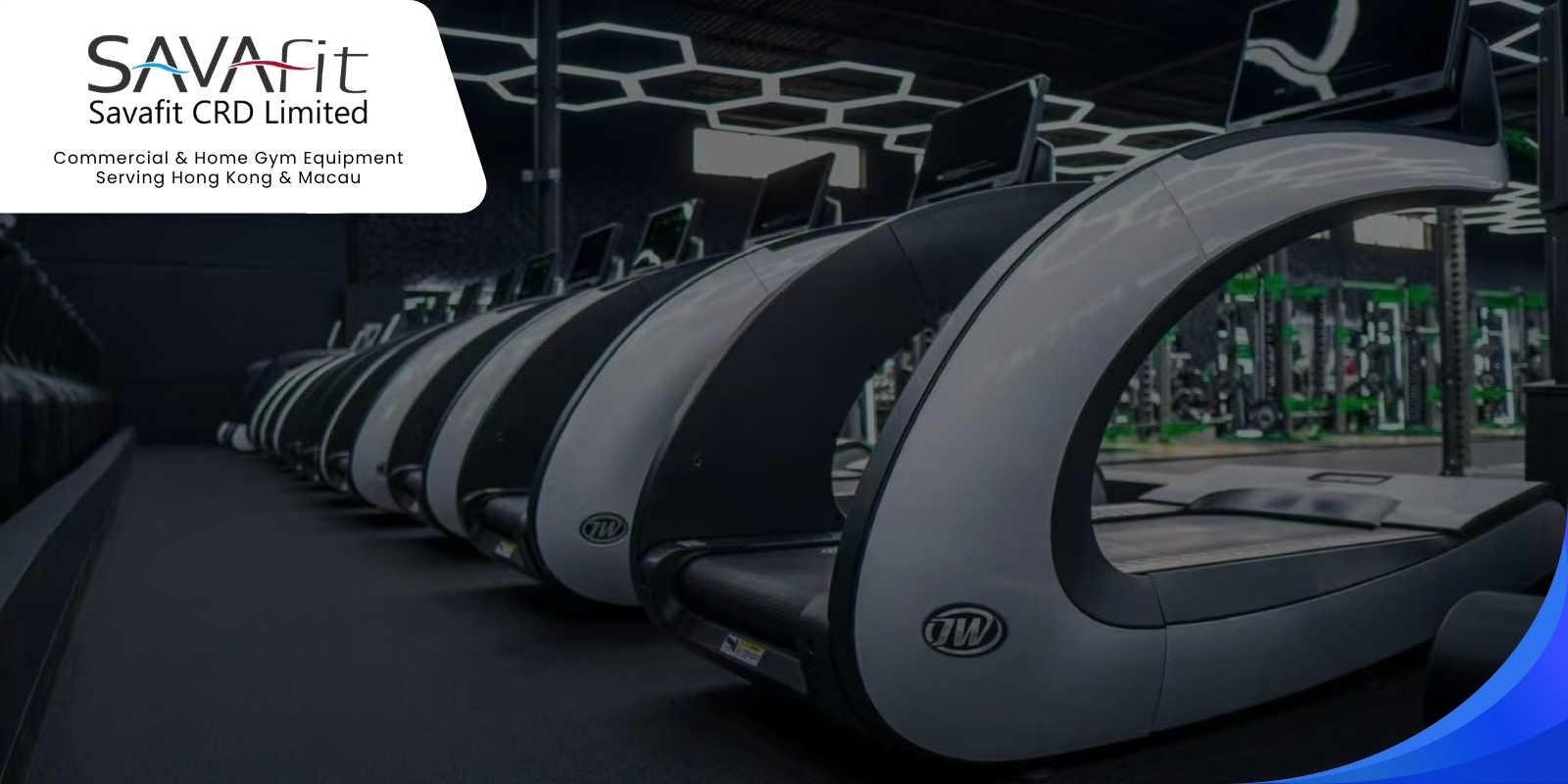
For operators, this means investment is shifting from traditional cardio-heavy floors toward strength-focused gym equipment and more purposeful training environments. Working with a trusted
commercial gym equipment supplier in Hong Kong can help operators select equipment that aligns with their facility concept, member needs and long-term growth.
High-quality commercial equipment can become part of the value proposition itself. For example, Primal fitness equipment combines strength-focused equipment with performance-led design, offering options including rigs, racks, benches, plate-loaded machines, cable systems, free weights and cardio equipment.
Similarly, Citadel Strength equipment focuses on biomechanics and movement mechanics, with commercial-grade machines such as hack squats, hip thrusts, leg-focused equipment, pulldowns and rows.
This illustrates an important point for operators: equipment selection is no longer only about filling floor space. It is increasingly about creating a training experience that supports the gym’s positioning.
Strategy Creep in 24/7 and Low-Cost Gyms[
This is also where strategy creep becomes visible, particularly among 24/7 and high-volume, low-price clubs.
What began as a simple proposition with convenient access, affordable pricing and basic equipment is gradually expanding.
Many 24/7 operators are now adding services and experiences once associated with mid-market, boutique or premium fitness clubs, including functional training zones, HYROX-style spaces, recovery areas, enhanced strength equipment, foldable gym equipment for 24/7 gyms, digital coaching and more personalised member journeys.
As these clubs move up the value curve, the challenge is to add value without losing the simplicity and cost discipline that made the model successful in the first place.
That makes gym floor planning and equipment selection increasingly important. Operators need to determine which equipment and training zones genuinely support their target members rather than simply adding more products.
Could Gyms Eventually Charge for Results?[
This evolution creates opportunities for new business models. Could gyms one day charge based on results, participation or measurable health improvements?
Other industries already sell outcomes rather than products. Tool companies sell uptime, elevator companies sell predictive service, and industrial firms sell productivity gains.
Fitness has experimented with similar concepts through accountability apps, personalised coaching and results-based programmes, although execution remains challenging.
The opportunity for gym operators is to connect the physical environment with the outcomes members want. Instead of simply providing access to treadmills, weight machines and free weights, a club can build an ecosystem designed around specific goals. That could include:
- Strength development
- Functional fitness
- Athletic performance
- Weight management
- Mobility
- Recovery
- General health and wellbeing
The equipment mix becomes an important part of delivering that proposition.