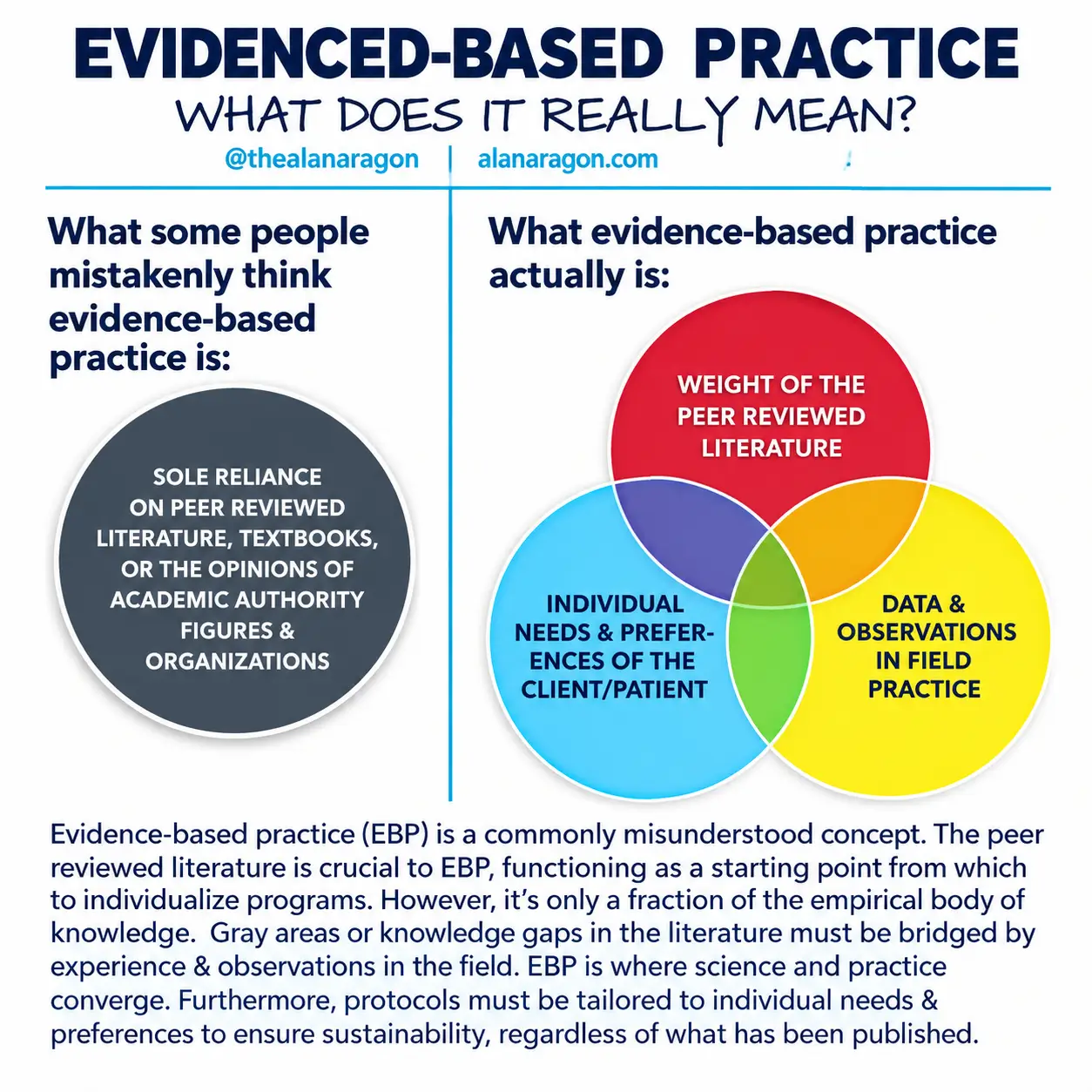
Fitness has moved through the aerobics era, bodybuilding era, HIIT boom, functional training and countless other trends. But what the fitness industry still needs is a common foundation that connects all of these approaches: evidence-based strength training and scientifically informed fitness practices.
The question is no longer simply what is popular in the fitness industry. It is: What actually works, for whom, and why?
For commercial gyms, fitness clubs and training facilities, bringing science onto the gym floor means combining empirical evidence, qualified fitness professionals, appropriate strength training equipment, sound exercise programming and effective coaching.
What Does Evidence-Based Fitness Mean?
Evidence-based fitness means making training decisions using the best available scientific evidence, combined with professional expertise and the individual needs and goals of the person exercising.
On the gym floor, this should answer practical questions such as:
- Which exercises are most appropriate for a particular goal?
- How much resistance should be used?
- How should an exercise be performed safely?
- When should an exercise be progressed or modified?
- Which equipment is appropriate for different users?
- What does the research actually say about strength, muscle growth, mobility and conditioning?
Too much of the fitness industry has traditionally relied on intuition, anecdotal experience, inherited training practices and advice from media personalities or fitness influencers.
That does not mean experience has no value. It means experience should be supported by evidence rather than presented as evidence itself.
For modern commercial gym design and equipment selection, the same principle applies. Equipment should support how people actually train, move and progress rather than simply follow the latest fitness trend. For facilities where space is a consideration, foldable gym equipment for space-saving workouts can provide a practical solution without compromising functionality.
Strength Training and the Myth That Women Will Become Bulky
One of the clearest examples of the gap between science and fitness marketing is the long-standing belief that women should avoid lifting weights because strength training makes women bulky.
This misconception continues to influence how many women approach exercise. Some prefer cardio, Pilates or other forms of exercise because they believe these will create a “long, lean” appearance while resistance training will automatically produce excessive muscle.
The science is considerably more nuanced.
Muscle shape and anatomical structure are largely determined by genetics and individual anatomy. Exercise can influence muscle size, strength and body composition, but it does not fundamentally redesign a person’s muscles into a different anatomical shape.
What many people describe as a “toned” body is generally a combination of muscle development and reduced body fat.
In other words, resistance training can be an important part of achieving the lean, defined appearance many people want.
This does not mean Pilates, yoga or cardio are ineffective. They can all have valuable roles depending on someone’s goals. The problem occurs when one training method is promoted using claims that are not supported by evidence.
For fitness clubs, this distinction matters. Members need accurate information about what different training methods can and cannot accomplish.
What Does "Functional Training" Actually Mean?
The rise of functional training has introduced valuable variety into the fitness industry. However, the word “functional” itself can become confusing.
The answer depends on the individual’s objective.
Consider an older adult who struggles to stand up from a chair because of insufficient lower-body strength. A properly programmed leg extension, squat variation or other resistance exercise could be highly functional because it addresses a specific physical limitation.
By contrast, performing an exercise on an unstable surface simply because it looks complicated does not automatically make the exercise functional.
For example, standing on a BOSU ball while performing a dumbbell curl may look challenging, but complexity should not be confused with effectiveness.
If the goal is to develop arm strength, performing the movement on a stable surface may allow the person to use an appropriate load and focus more effectively on the target muscles.
This is where biomechanics and evidence-based exercise selection become important.
The best gym equipment is not necessarily the equipment that makes an exercise look the most impressive. It is equipment that allows users to perform appropriate movements safely, progressively and effectively.
Why Biomechanics Matters in Strength Equipment?
Good strength equipment should complement the way the human body moves.
Modern strength equipment increasingly focuses on movement mechanics, resistance profiles, adjustability and user positioning. Properly designed machines can help users train specific muscle groups while providing stability and allowing controlled progression.
This is particularly important in commercial gyms, where equipment needs to accommodate people with different training experience, body types and goals.
For example, equipment designed around sound biomechanics can help create more consistent movement patterns and improve the overall training experience.
This is one reason gym operators should look beyond the appearance of equipment when developing a facility. Equipment selection should consider:
- Biomechanics
- User safety
- Adjustability
- Training objectives
- Durability
- Space requirements
- Member experience
- Ease of use
- Progressive resistance
- Long-term maintenance
A successful commercial fitness facility therefore needs more than a collection of machines. It needs an intentional combination of equipment, layout, programming and qualified people.
The Problem With "Professional Counters"
If science is going to reach the gym floor, fitness professionals have an important role to play.
Unfortunately, completing one certification and then stopping professional development is not enough in an industry that continues to evolve.
A good trainer should understand exercise technique, programming principles, biomechanics, progression and the needs of different populations.
They should also observe their clients.
Are they performing exercises correctly?
Are they progressing appropriately?
Are they recording workouts?
Are they adapting the programme when circumstances change?
A trainer who simply counts repetitions without coaching movement, monitoring progress or understanding the reasoning behind an exercise is not delivering the full value of professional training.
Fitness education and continuing professional development should therefore become an integral part of the modern gym environment.
What Should Gym Managers Do Differently?
Science cannot remain inside research papers and certification courses. It needs to reach the people actually using the gym.
That requires leadership from gym management.
Management teams can support an evidence-based culture by:
- Encouraging continuing education for fitness professionals.
- Providing access to credible research and education.
- Establishing clear standards for exercise instruction.
- Monitoring member experiences and training quality.
- Investing in appropriate commercial gym equipment.
- Designing facilities around user needs rather than trends alone.
- Creating opportunities for trainers to share knowledge.
- Reviewing programmes and processes regularly.
- Supporting innovation without abandoning evidence.
- Making safety and member outcomes central to decision-making.
This approach can also influence gym equipment procurement.
Rather than asking, “Is this machine popular?”, facility operators should ask:
- Does this equipment solve a genuine training need?
- Can members use it effectively?
- Does it support progressive training?
- Is it appropriate for the facility’s target users?
- Does its design reflect sound biomechanics?
These questions can help fitness businesses make more informed long-term investments.
Bring Evidence-Based Thinking to Your Fitness Facility
A modern gym needs more than the latest fitness trend. It needs the right combination of commercial gym equipment, thoughtful facility planning, biomechanics, professional education and ongoing support. From strength equipment and cardio solutions to facility design and installation, SAVAFIT CRD Limited helps fitness businesses create training environments designed around performance, usability and long-term value.
Frequently Asked Questions
People Also Ask